
Chemify has assembled an £89.9m expansion package built on £16m from Scottish Enterprise and £6m from the UK Government, with the Glasgow company funding the remaining £67.9m itself. The programme will lift its Scottish headcount from 152 to roughly 450 within three years.
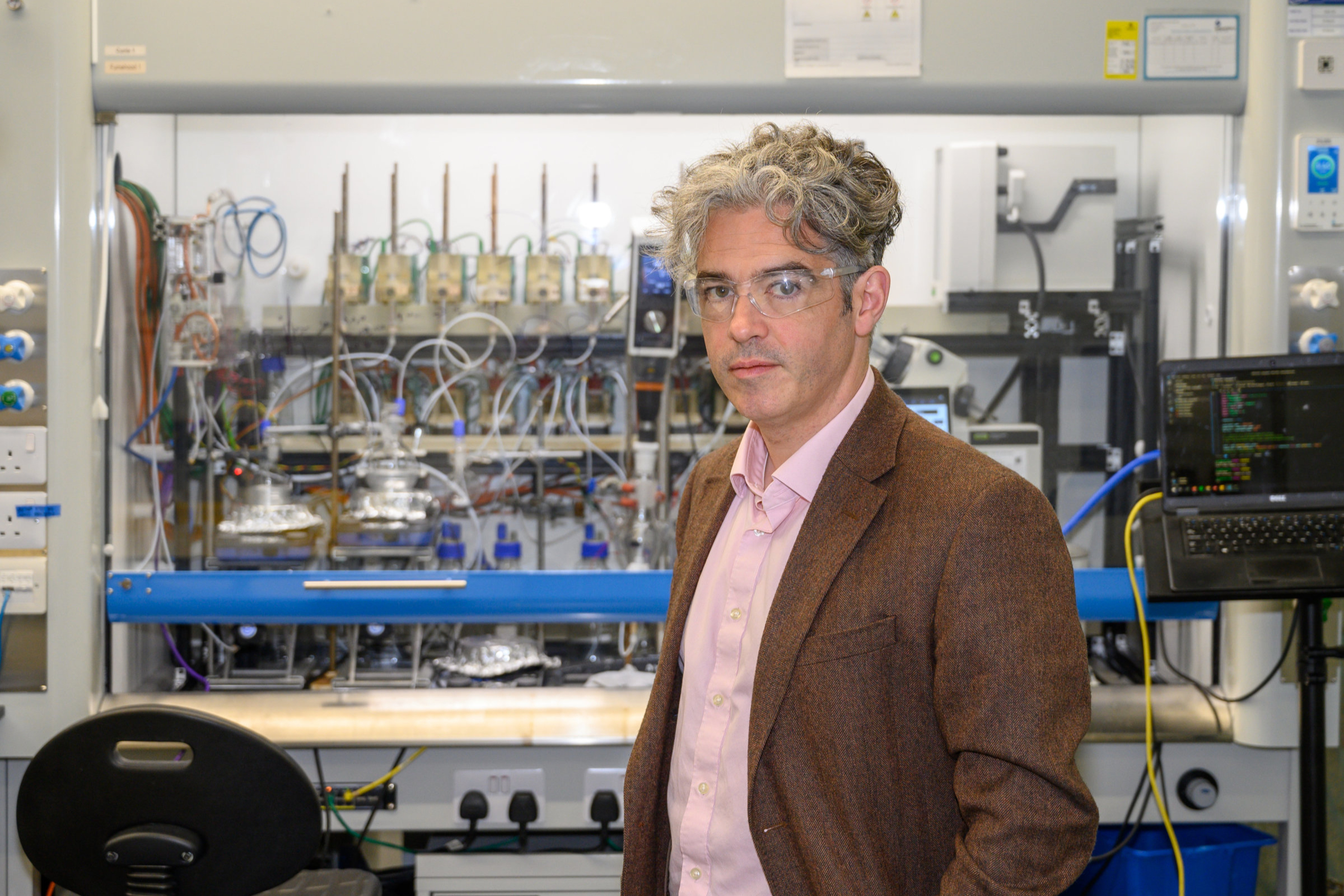
Chemify was spun out of the University of Glasgow in 2019 by Professor Lee Cronin, who remains founder and chief executive. The company builds robotic systems that execute chemistry from digital instructions, a process it calls chemputation, pairing automated synthesis hardware with AI models that design and test new compounds.
The headline figure announced on 16 September is a project total rather than a single equity cheque, and the distinction matters for the register. Of the £89.9m, £22m arrives as grant funding — £16m from Scottish Enterprise and £6m from the UK Government — and none of it is dilutive. The balance of £67.9m is Chemify's own capital, drawn from a balance sheet last topped up by a reported $50m round in October 2025.
That structure leaves the cap table untouched while roughly a quarter of the programme cost is underwritten by the public sector. Scottish Enterprise has backed the company since 2023, and Chemify's earliest institutional support came through Innovate UK's Innovation Accelerator programme.
The money funds a new global headquarters and R&D centre at the University of Glasgow's Health Innovation Hub in Govan, within the Glasgow Riverside Innovation District. Chemify is positioning the site as the first "chemistry hyperscaler", expanding its next-generation Chemifarm facility and advancing a system it calls Chemify Genesis.
Headcount is the clearest measure of the commitment. The company employs 152 people in Scotland and expects to reach around 450 over three years, creating up to 300 skilled roles and safeguarding a further 100.
"Just one year ago, our first Chemifarm in Glasgow proved that Chemputation works by grounding AI-enabled drug discovery in physical synthesis and improving the design and makeability of new molecules and materials," Cronin said. The additional funding, he added, would allow the company to "hyperscale chemistry" and expand its capacity to produce new molecules, materials and bespoke datasets.
Adrian Gillespie, chief executive of Scottish Enterprise, framed the deal as a test of whether Scotland can retain deep-tech companies as they scale. "Chemify's investment is a powerful vote of confidence in Scotland as a place to scale innovative deep-tech businesses," he said, noting that the agency has supported the company since 2023.
The wider signal is about capital structure rather than headline size. Deep-tech manufacturers with heavy fixed costs are increasingly assembling mixed packages of grants, patient public capital and internal cash, deferring the next priced round until the infrastructure is built and the valuation reflects it.
Original source: FutureScot — https://futurescot.com/glasgow-based-ai-drug-discovery-firm-raises-89-9-million-in-new-funding-round/